Subscribe to platformB Newsletter.

SKETCHES OF A WARTIME CITY

A wartime intimate catalog of small salvations, each a quiet rebellion against erasure.

»Sketches of a Wartime City« is Alla Melenteva’s raw, digressive meditation on what it means to stay alive when your city is being bombed. it’s about hiding behind a cardboard box with your computer monitor, envying people in jazz cafes, dragging yourself to a market because your body is failing from malnutrition. The pieces she offers are fragments of refusal: a dog refusing to be abandoned again, a market vendor returning to work as a first act of defiance, the author refusing to disappear into fear.


Alla Melenteva is a Ukrainian artist and writer documenting her experience in Kyiv during the invasion. Her work refuses sentimentality, insisting instead on the specificity of pain, exhaustion, and the small transactions—human and digital—that keep us tethered to the living world.

A child of war

I saw them in the Silpo supermarket: a retired lady, fat and still youngish, paying for some cheap food at the checkout next to me, and her small fox-like white dog, tense, eyes strangely desperate, shifting from paw to paw on the baby seat in a shopping cart.


»What a cute dog you have,« an old man saidthere is always someone who says something of that sort.


The dog gave him a sheepish look and a polite wag of the tail. The retired lady did not mind chatting a little.
»She is a ‘child of war’,« she said, »I adopted her. Her previous owners left her behind when they fled the war. I’m her family now.«


It was at that point that I understood the dramatically desperate expression of the dog’s eyes: she was afraid that she would be dumped again while in public areas.


Then they were near once more. Outside the checkouts on my left, the dog owner was stuffing the groceries into a big bag, the dog still fidgeting on the baby seat, still nervous.


Having packed her purchases, the woman said to her dog affectionately, with an air of simple-hearted cordiality, the way fat grandmotherly women usually address children and pets, »We’re heading home, my darling, my sweetie, my sweet little girl!«


You should have seen how happy the child of war was to hear these words. Her tail was ecstatically wagging, her entire body shaking in a burst of glee.


It is always nice when a sad story ends up being a happy relationship, is it not?

Sheltering mode

Throughout last spring and summer, Kyiv was continually shelled at night and sometimes at day. Air defense shooting down drones and missiles would not let me sleep; for some reason I kept waking several instants before a Patriot system, hidden somewhere nearby, fired at its targets. Before, not after, goodness knows why.


»Sick to death of all of you,« I would say (which is, I think, a common response to such occasions from an enlightened member of a progressive society) and go back to sleep, if I could, or, when that did not happen, I would scroll through the night dose of news on the phone to pass time.


One early morning in June, three people, including a child, died and others were injured by the debris of a Russian missile after being locked out of a bomb shelter. A night shift security guard had refused to open the door as some boss had ordered him to keep closed. A great scandal broke out. Multiple audit commissions and teams, consisting of all kinds of inspectors and experts, including local activists and social media influencers hankering for publicity, rushed to inspect shelters all over the city. The authorities hastily opened all basements and underground parking lots which was, of course, a real feast for the city’s tramps and vagrants. Once, »people’s inspectors« found such a »shelter customer« in one of those locations.


»Hey, man, what are you doing in here?« the »inspector« asked the »customer«.


The latter gave him a reproachful look, breathed alcohol fumes in his face and said, his tone sour, »Saving my life.«


A true Gogolian scene. Like some kind of Evenings on a Farm Near Dikanka taken to a new level.

It is annoying

It puts you in a bad mood, honestly, when you are quietly working on your computer in your Kyiv flat, and a one-time bang from an air defense unit has already come from a distance, but you are okay, you have not even bothered to look, except, maybe, pricking up your ears a bit at the noise source, you just stay focused on your work, and there is peace and quiet againbut here again, a Telegram message pops up out of the blue with »A group of cruise missiles has changed course in the direction of Kyiv.« I do not know about others, but it annoys me each time.

In the time of darkness

Some people say that the Muses are silent in wartime. You must not believe it. It is they who are most helpful in grim times. Listening to jazz channels on YouTube let me sift sane through the early days of Kyiv siege. Cozy Library Lounge Ambience with Smooth Jazz or Background Jazz Music on Sunny Veranda, you know.


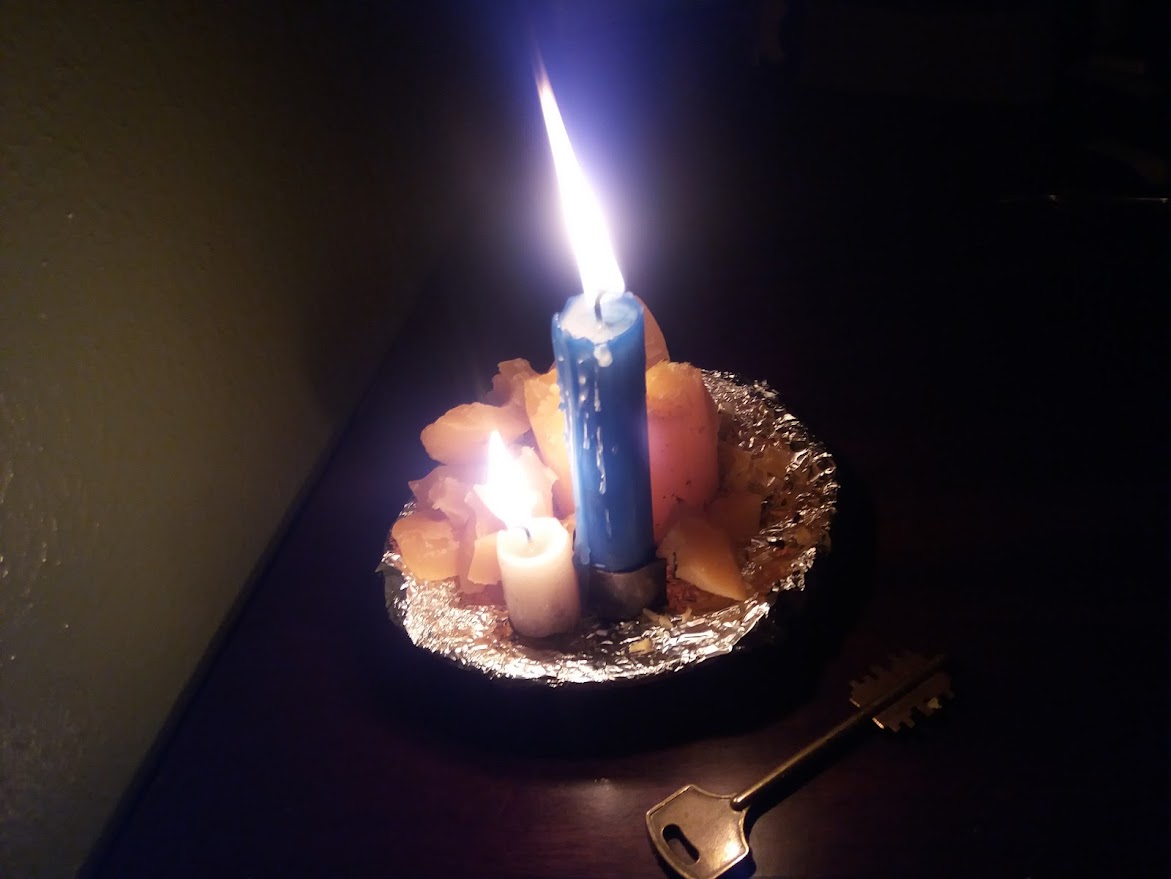
To be honest, surviving in a besieged, and what is more, deserted city with police phone number not accepting calls (I checked) is some pretty eerie experience. As it was getting dark, I would feel uncontrollable surges of fear that intensified as the night progressed. Darkness was everywhere, reigning in my small flat on the ground floor, veiling the outlines of the empty neighboring houses indistinctly seen in a faint ghostly trail of light stretching from a side alley where military lighting equipment had been installed. A blackout had been ordered, but even if it had not been, I still would not have dared to stay with lights onwho could tell what unwelcome visitors a lighted window might attract.


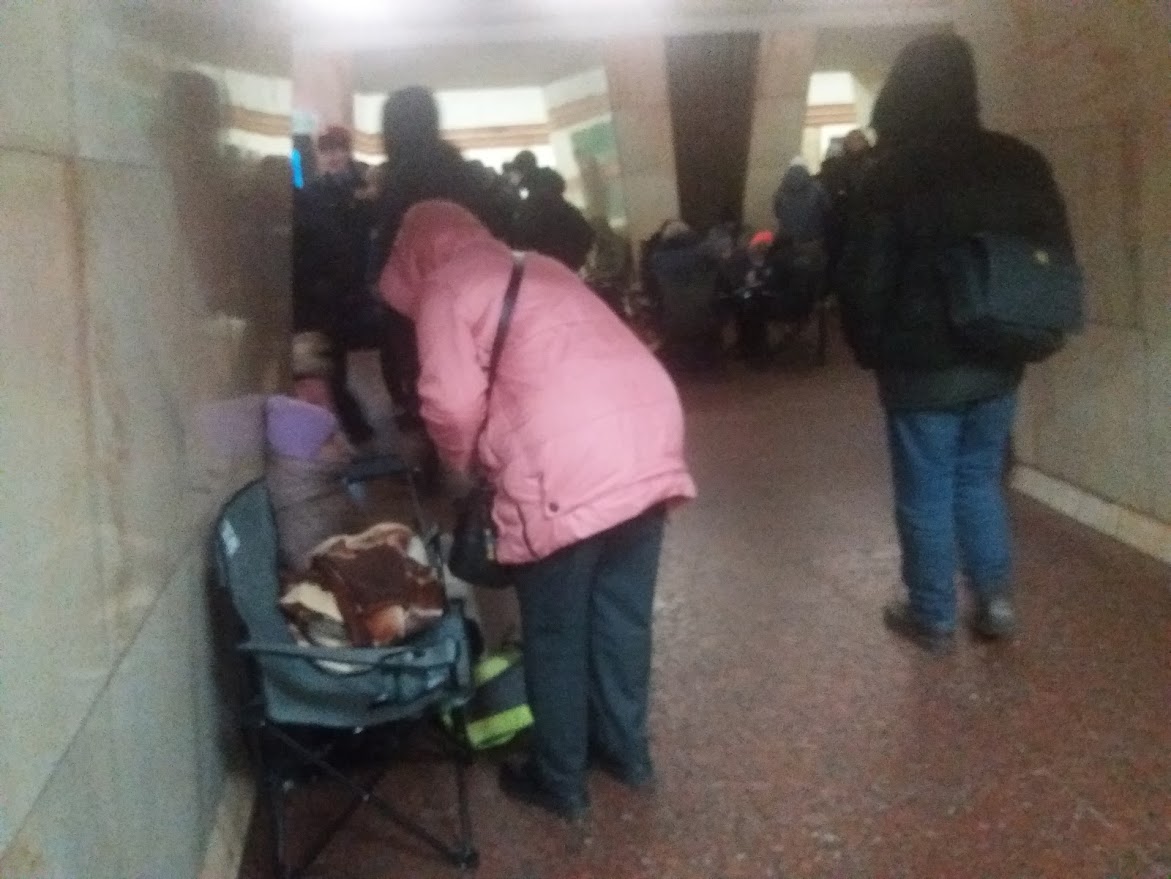
During the siege, I did not once go to bomb sheltersmy injured spine did not allow me that option. I avoid static postures, I can not sit or stand for too long. In those days, the only shelter I knew in the area was a metro station, about a fifteen-minute walk from my flat, but from what I saw on the news, it had been packed full-to-bursting with shelterers as all the other metro stations. I could not hope to hold for more than half an hour in those crowds. My spine started to ache in advance, when I thought about putting myself through such an ordeal. Was I supposed to go there with a stool? I was in the possession of two stools inherited from my mom’s cousin along with the other sparse, cheap, Soviet style furnishing she had gathered over a lifetime. Though rough, with peeling white paint, they were both good stools, solidly built, sturdy, I mainly used them when I needed to change a bulb or get something from a top shelf. I had a strong suspicion that they had survived the previous invasion. As a child, mom’s cousin had experienced the German occupation of Kyiv, and now it was my turn to be exposed to a new war unfolding in the same place. But they were too large, too heavy, the stools. I imagined how I would drag the stool along the dark streets all way to the metro station during air raid alertsthis was a task beyond my strength, which was to say, sheltering was not for me.

I remember I was sitting in the dark room, like a mouse in a holethe window heavily curtained with a couple of coverlets, the computer monitor accommodated in a big cardboard box in such a way that the lateral sides of the box would shield the light from the screen in all directions except straight-on. I was working on the computer, jazz tunes playing in the background over the speakers, and after a while the threat of missiles and burglars outside was kind of forgotten, fear subsided, only occasionally I thought with a start »oh, wait, we’re at war, I must stay alert!« I walked to the window and peered out, stood for a minute or two, embracing the moment of darkness, a sense of abandonment, a feeling of disconnection from others, then went back to the computer. I looked at images and slideshows overlaid on the audio trackthose jazz channels were illustrated with pictures featuring all sorts of serene environment filled with bourgeois cozinessand told myself with an edge of disbelief that somewhere in the vastness of the world there were still safe places like thesethe crackling of the fireplace, the gentle rustling of leaves outside, placid, happy people drinking coffee, smiling to each other, discussing art and cinema, feeling finebut I was not there, oh, why was I such an utter goddamn loser as to end up in a mess like this? I envied those people from peaceful places. It was humiliating to be occupied with survivaljust survivalwhen compared to their huge range of life’s opportunities. Considering carrying a stool to the shelter was also humiliating. Sitting in a dark room, waiting for shelling attacks and battles outside was not only humiliating, but very scary. Yet, I found some solace in the thought that there was still peace somewhere. The places of civilization should stand firm, I thought, otherwise the whole world of ours would be absorbed by the darknеss.


Suddenly, like magic, an icon representing a free app (it was CCleaner, if you must know) came alive on the screen. A message appeared as if from nowhere saying that far away in those safe places, where jazz played in cozy cafes people knew that we were at war. We have sympathy for you, they wrote, we want to be supportivenamely, we would like to offer you a free one-year subscription to the business edition of our app, click on the download button below to download, if you do not mind.


I watched, fascinated, as the business editionI could never have afforded the cost of itbusily downloaded. It was, of course, not a life changing event, but it was more than just a freebie, you knowit felt like a pledge that the places of civilization would stand firm, and there was a sense that our failed part of the world was still connected to them. Still connectedthat revelation really cheered me up.


That business edition antivirus cleaned my computer over the next two years. They extended the subscription period when it ended, wasting no time on notification, in the same business-like way.
Syr

»It’s very good, indeed. It’s fifty hryvnas, but let’s call it forty five,« that was said by a babushka selling me that enigmatic, incomprehensible to most foreigners product that is called »syr« in Ukrainian, or »tvorog« in Russian, while guidebooks recommend translating it into English as »homemade cheese«, or »cottage cheese«.


»I sell it cheap, ‘couse it’s the last piece,« she said.


Unsold food is cheaper at the end of the day, and that was why I was thereor at the Lukianivskyi Marketa half hour before closing timefor leftovers. All my usual sources of income had ceased overnight because of the war. After two months of holing up in a north-facing flat, having a wartime diet packed with empty calories, I had developed an anemia which turned out to be not the anemia that gives your face a romantic pallor, but a serious illness which literally swept me off my feet and made me sleep all day long. My body was in desperate need for fresh, natural, true food; I really needed that syr, and I needed it as cheap as possible.


But as the old woman was packing it for me, she changed her mind:


»No, I want fifty hryvnasit is really good, I tell you,« and added, »It’s our first day back.«


The last remark was a tribute to the tradition of Kiev markets and bazaars. It is considered good manners among local sellers to add some small talk as a bonus to every purchase. It is a code they have been cherishing and cultivating since possibly the founding of the city, and they love when you contribute a word or two to the relaxed exchange, seeing it as your part of the bargain, and they are thrilled if you manage to say something smart, or funny, or nice.


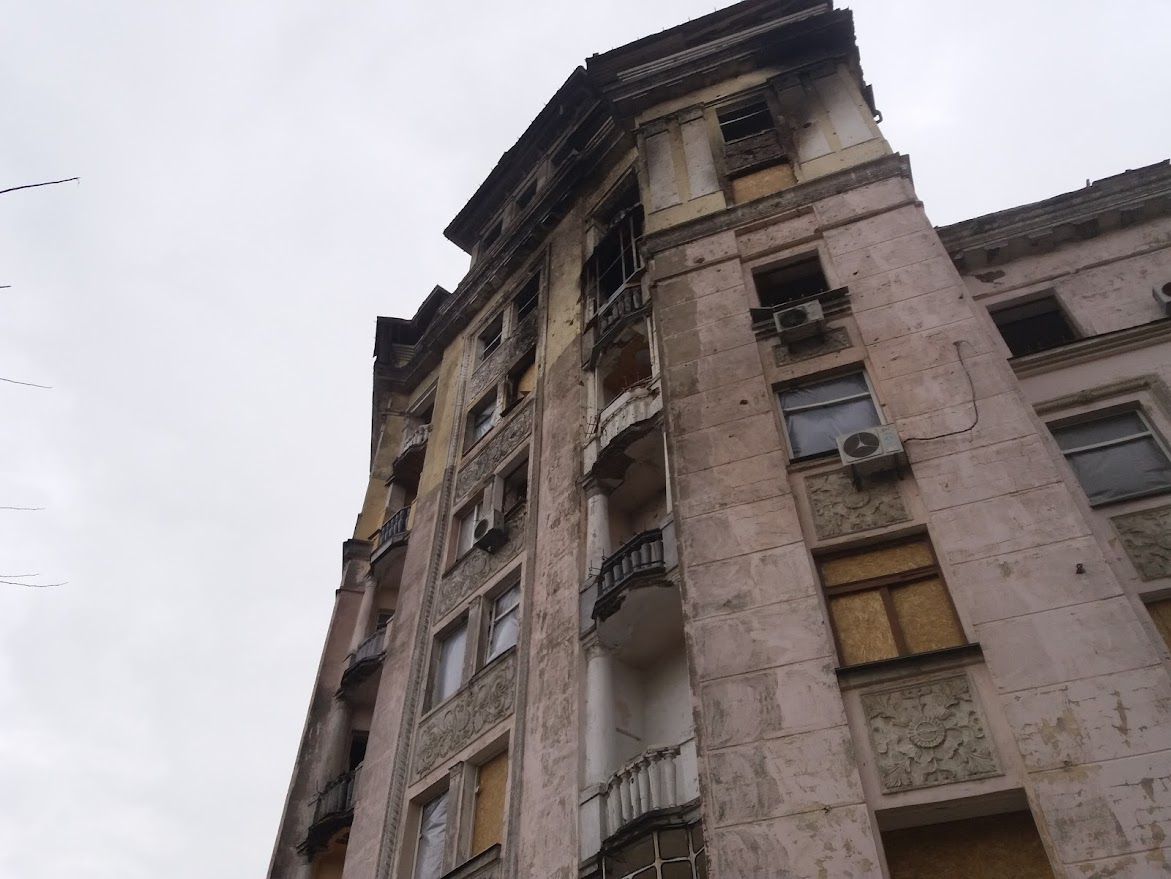
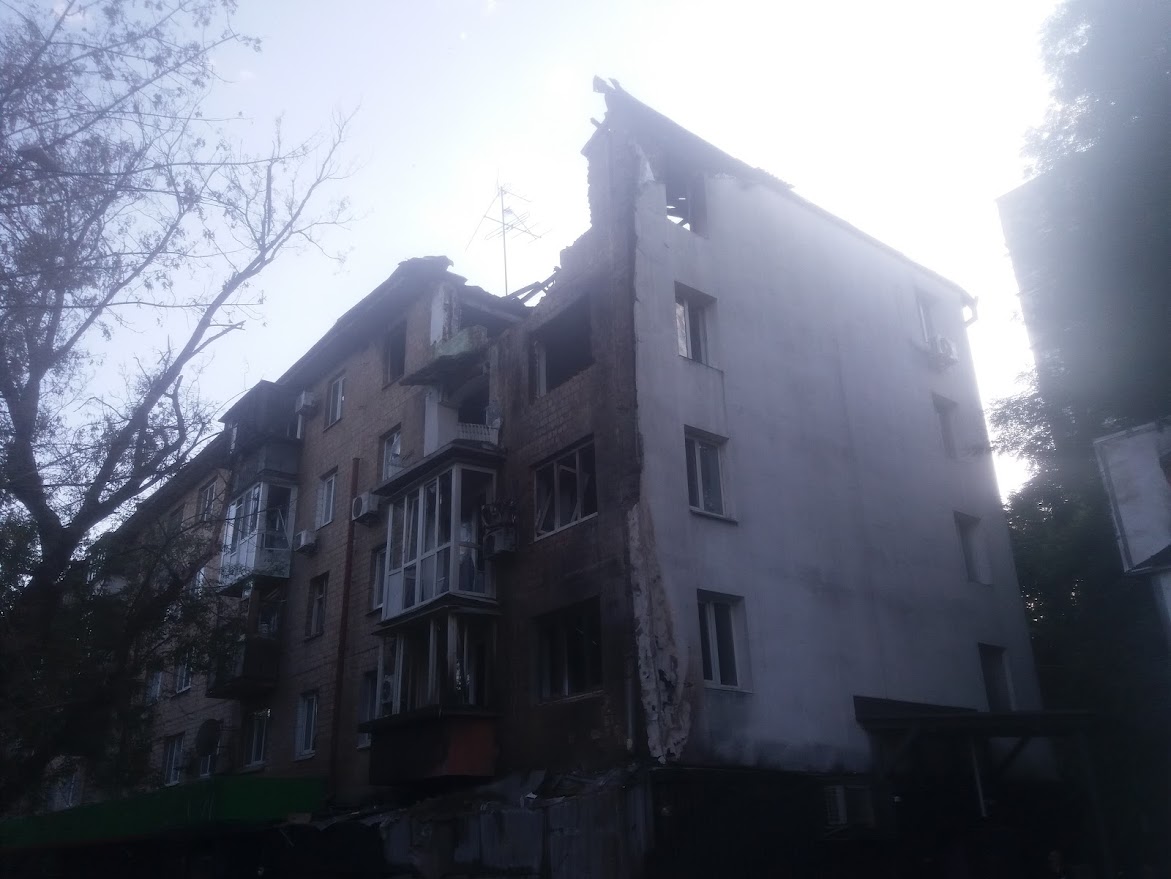
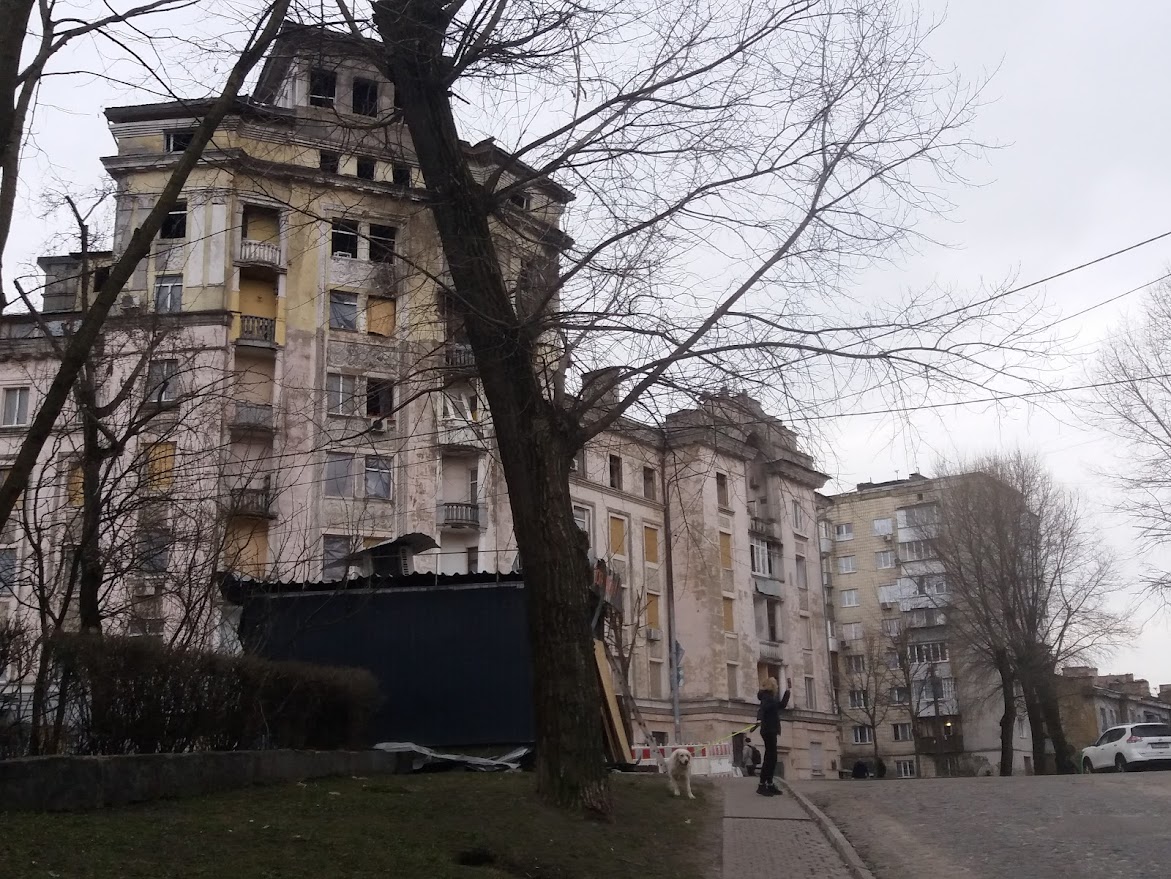
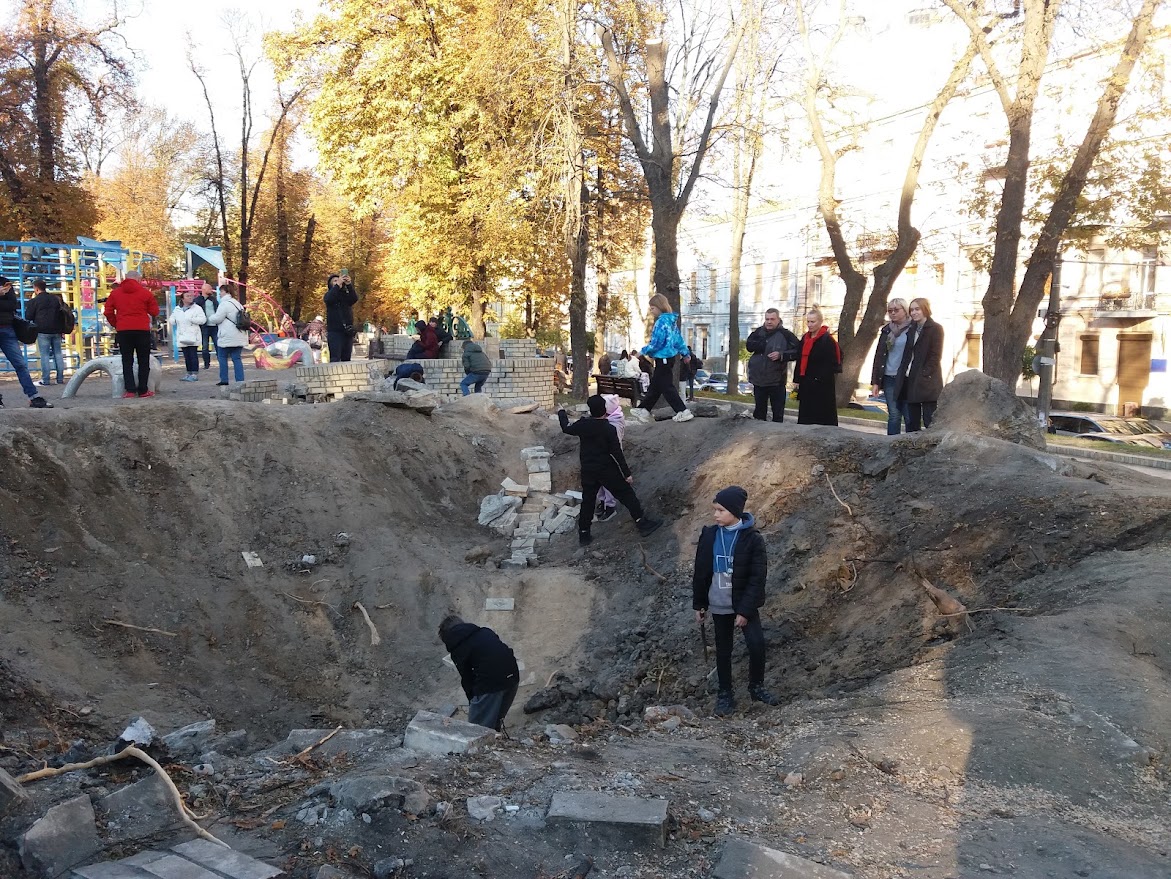
»It’s our first day back« meant that it was the first time after Russian troops had withdrawn that she and other sellers had been back to work. It was April of 2022, and from where we were, and just across from the market’s pavilions, you could see the burned-out windows of the Artyom weapons factory hit by a Russian missile, the evening sky delineated by the broken concrete slabs, thrusting up out of the half-collapsed top floor.

I felt like telling her, ‘You are so greedy that I would not be surprised if you had stayed around here throughout the whole siege, making money in the middle of bombing,’ but I refrainedmy nearly total inability to haggle over prices comes from the Soviet part of my life with fixed prices set across the nation for decades.


I paid what she asked, took the container with the precious syr and trudged away (anemia, anemia). Still, I felt that in some ways we were like-minded, we were linked by a common event, and that event was the end of the siege. All Kyiv residents silently shared that feeling at the time, and the air was filled with the quiet joy of survival, an aura of cautiously tempered jubilation, because the danger was gone, and we all had survived, for the time being at least, and everyone who caught that feeling simultaneously established a bond with their history as that, apparently, was the way every survivor has typically felt after every Kyiv siegeafter all the fifteen of them that occurred between 898 и 2022, according to Wikipedia.


Photos are made by the author.