Subscribe to platformB Newsletter.

»One Day, Two Summers«

A digital exploration of how technology reshapes memory, distance, and our sense of closeness

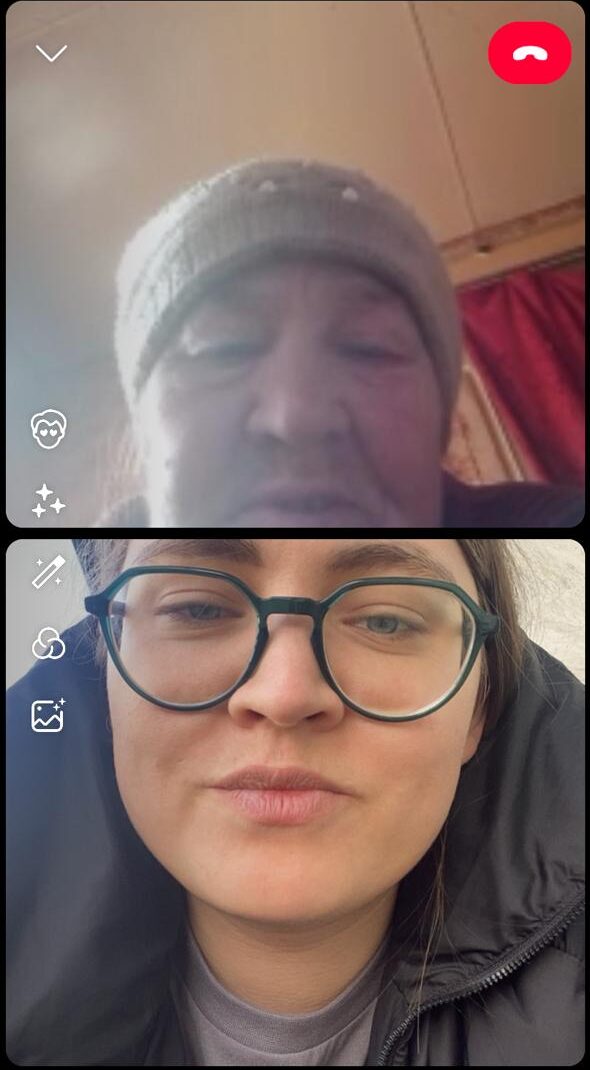
»One Day, Two Summers« is a digital exploration of how technology reshapes memory, distance, and our sense of closeness. Drawing from fragmented video calls and unstable connections with a loved one, the project reconstructs moments that never fully existed—memories that could have been, assembled from glitches, pauses, and pixelated traces. These artificially born fragments echo real longing. They emerge from the space between presence and absence, between what we remember and what we imagine.


Through interactive visuals, distorted audio, and glitch-generated portraits, the project invites viewers to experience how digital communication both connects and fractures us. It reflects a migrant condition where home is mediated through screens and intimacy is stitched together from interruptions. In this space, memory becomes fluid—reconstructed, distorted, and constantly rewritten by technology.
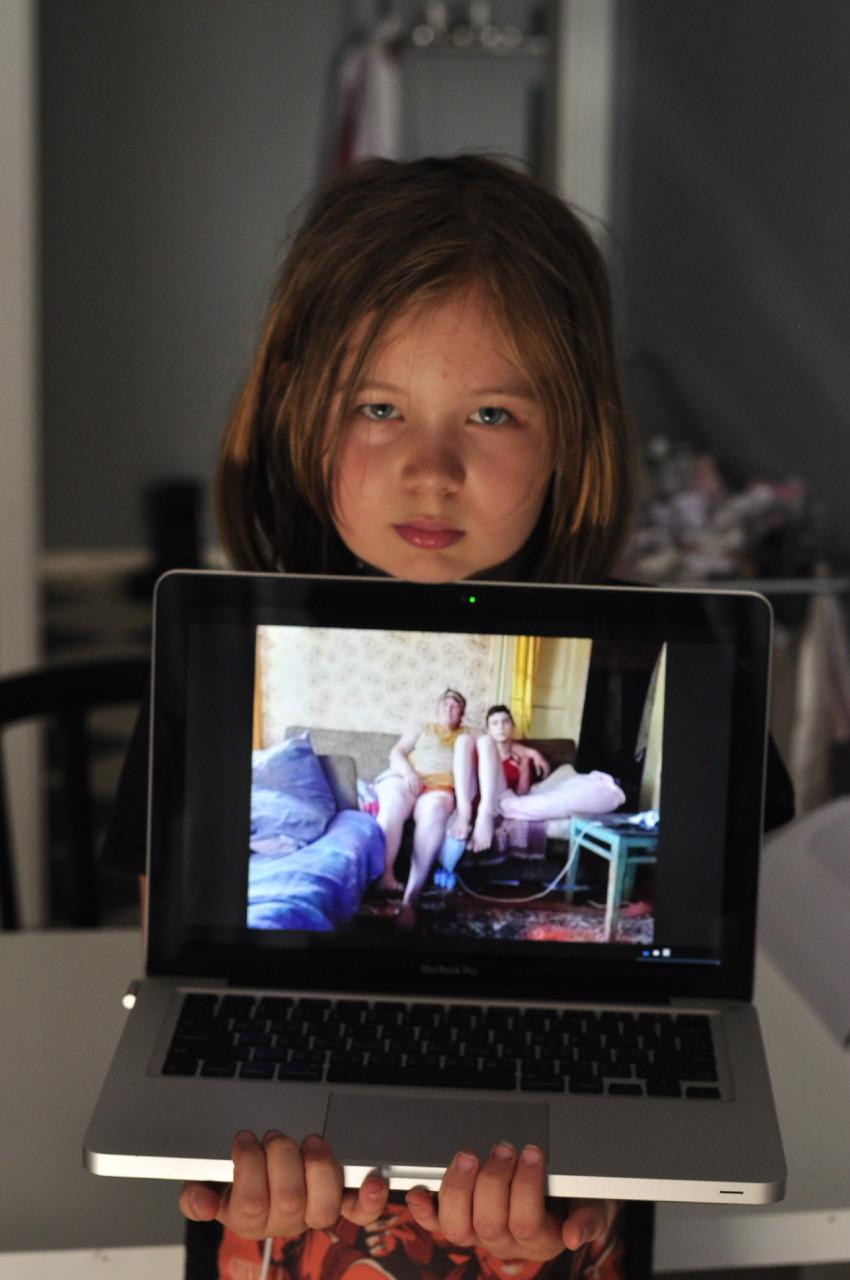
Every childhood summer of mine began the same way: with a trip to my grandmother’s village.


[I remember] Buses with fogged-up windows, the seat next to the driver, narrow roads seen through green-tinted glass, and the feeling that infinity lay ahead.


And then—the village.


The scent of apple orchards, freshly cut grass, and strawberry jam. Linen towels, a cool stove, the crackle of the radio, the announcer’s voice drifting through the ringing heat.


At first, I came alone. Then, with my younger brothers. Later still, with my own daughter.


Summer after summer came and went, yet it felt as if nothing changed.


It was a summer you could touch.


The real summer.

00:00:00 00:00:00

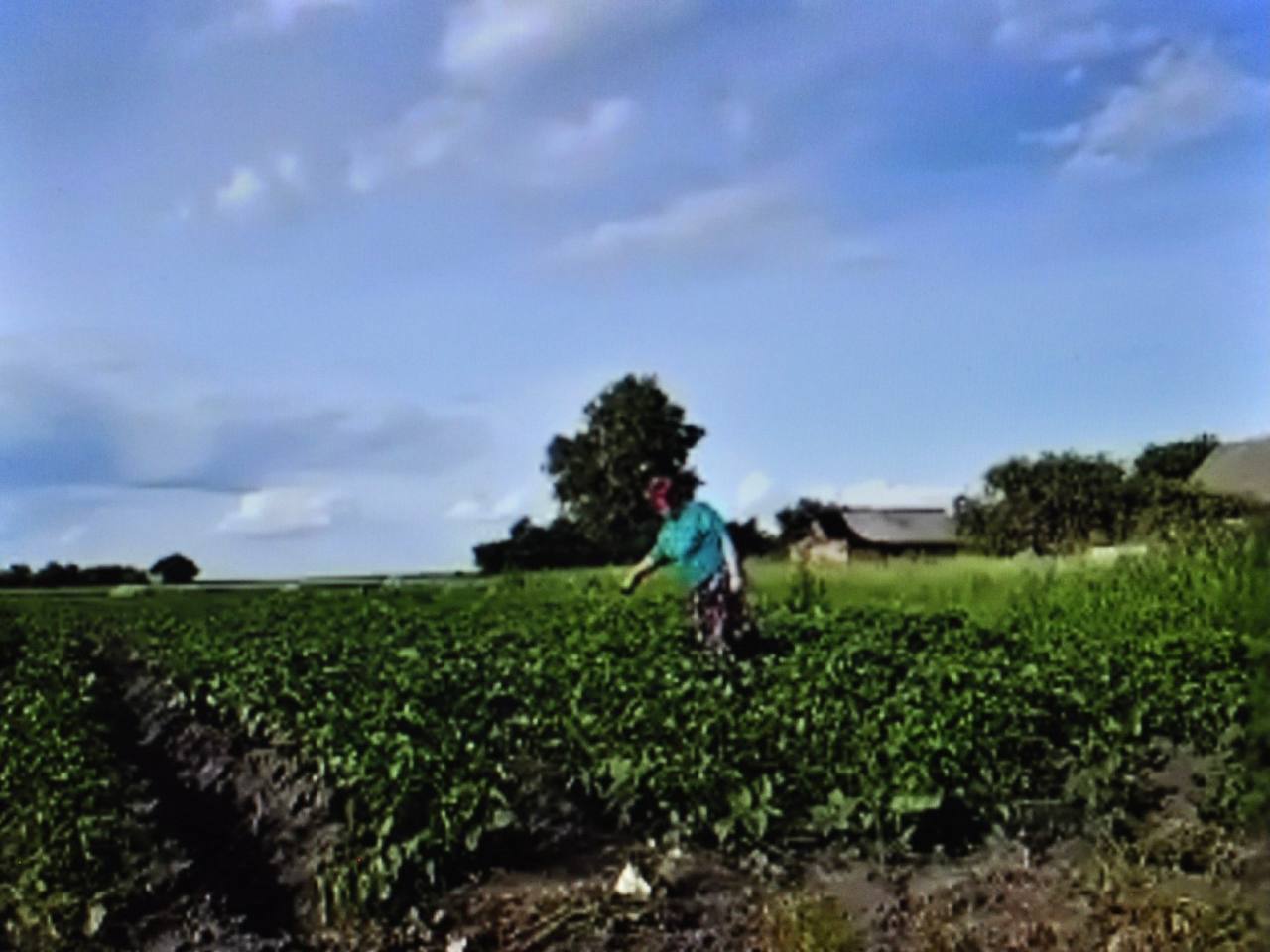
It was marked by rituals: evening tea, quiet conversations in the dark, the touch of my grandmother’s hand as we walked to the vegetable patch.


And then it all fell away.


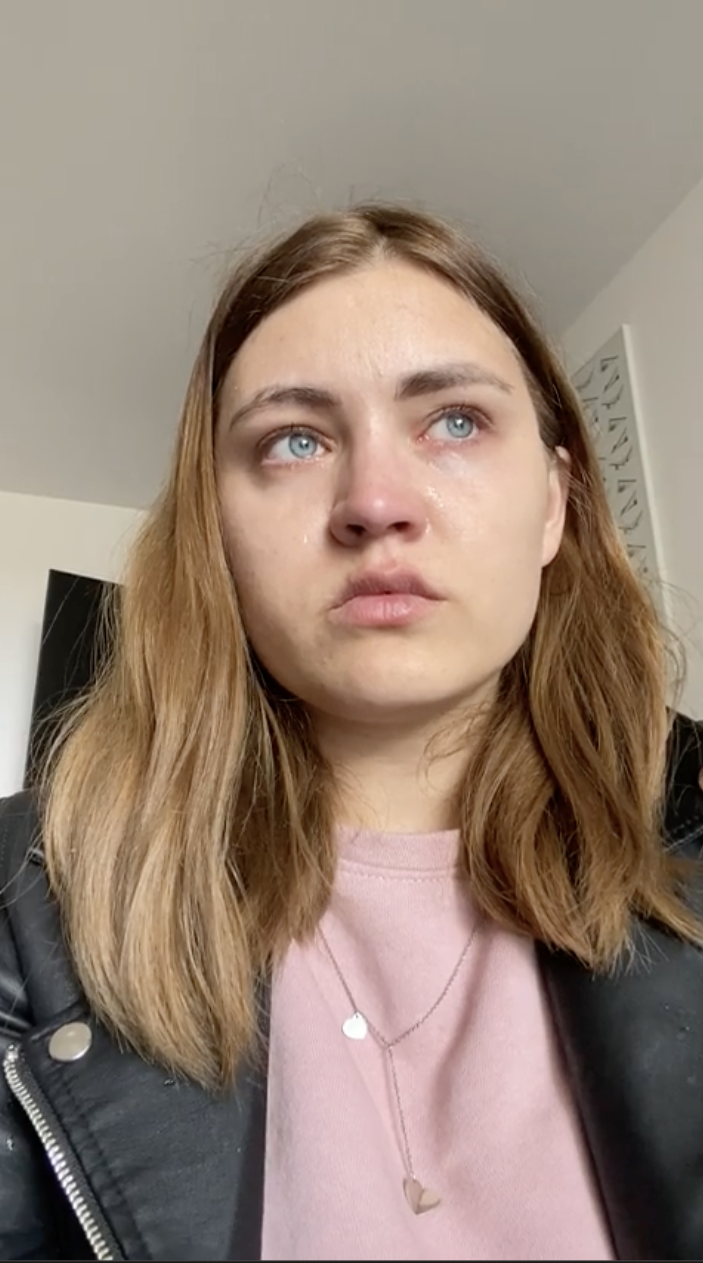
Four years ago, I fled Belarus, escaping political persecution.


It wasn’t a move. It was an escape.


No packing, no chance to say goodbye. My grandmother and I didn’t even hug, and we didn’t know it would be so long before we’d see each other again.


Since then, there was another flight, this time from war. New countries. Languages. Borders. Documents.

00:00:00 00:00:00

The world around me keeps changing, but my grandmother remains in the same house with windows facing the garden and storks building their nests on the pole each year.


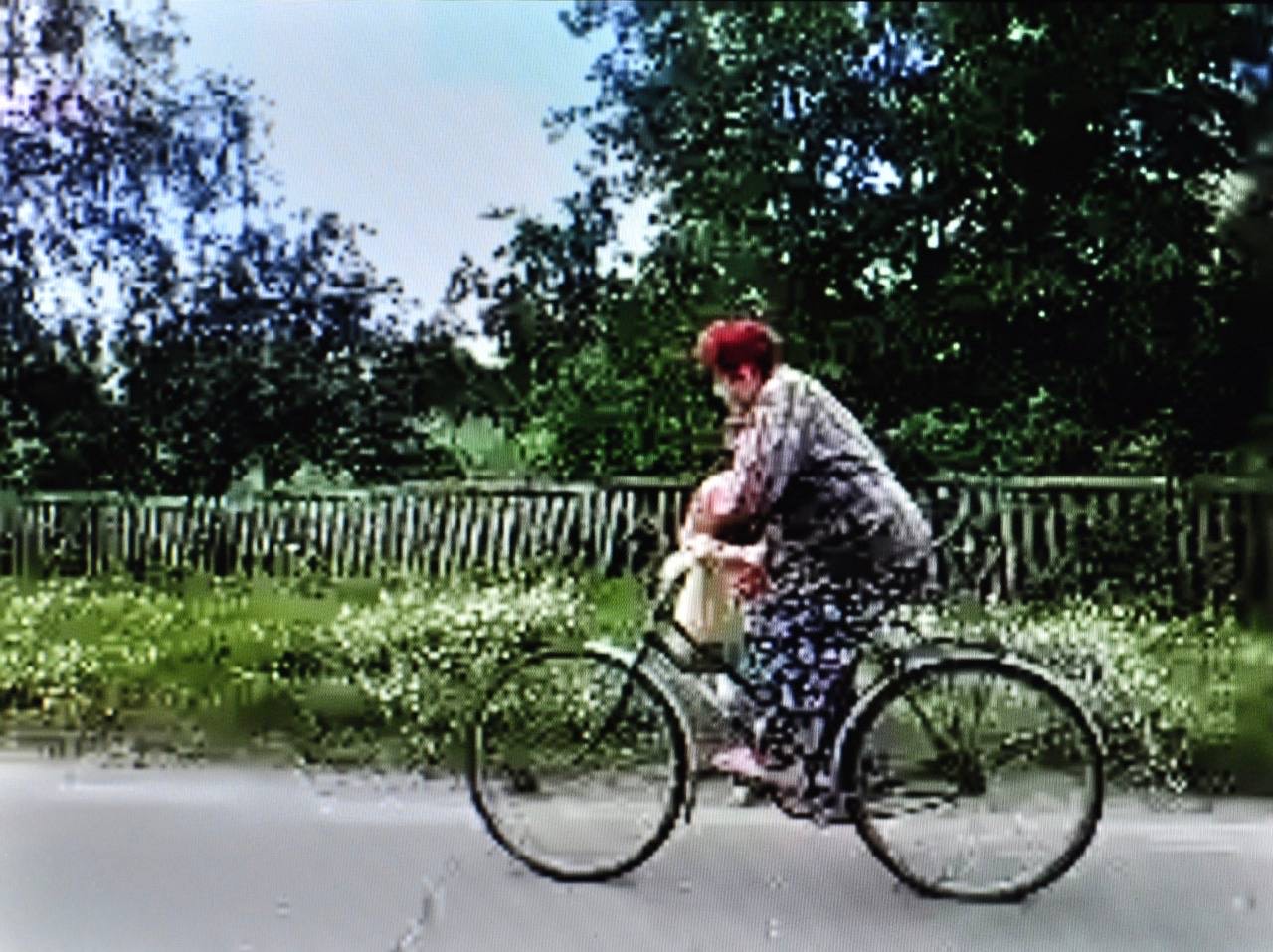
Her life flows as before: she tends to the garden, bakes pies, makes jam, and listens to the news in the kitchen. Only now she’s doing it without me. Without my daughter.


Now, only my brothers go there in the summer. They are the ones who stayed.


The connection between us remains. But it’s different.

00:00:00 00:00:00

She shows me strawberries and flowers through the camera. Tells me about the rains and how much fish she caught. She’s happy when the storks return home again, hoping that we will, too, someday.


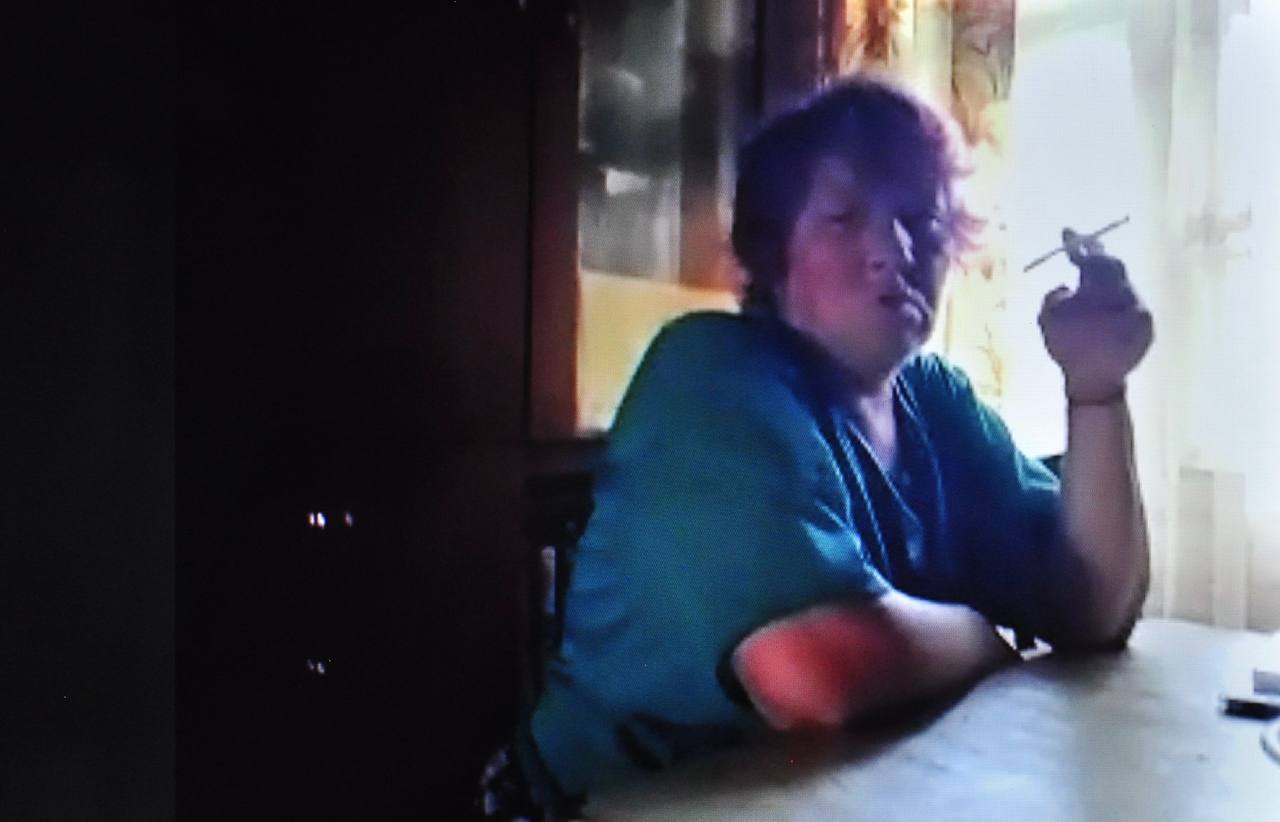
We smoke together over video calls, like we used to in the kitchen, only now, it’s on screens, thousands of kilometers apart. Sometimes I can’t hear the words, but I catch the meaning in her tone.


There’s warmth in her voice. There’s care. I hear silence say more than words ever could.


And every goodbye ends the same way: »May God help you, my girls.«

00:00:00 00:00:00

This project is about a bond that can’t be broken, but can’t be fully preserved, either.


We talk—or try to. The connection freezes. Her face flickers, breaks into pixels, disappears, reappears in fragments: the corner of her lips, her eyebrows, a frozen smile.


I click the »Take snapshot« button—automatically, instinctively, hoping to capture at least a fragment of her.


I can’t see her aging. I don’t notice how her face changes. So I zoom in on the photo, look closely, study a wrinkle on her face, her glance, her expression—to recollect, to recognize, to hold on.


That’s how this project was born: from screenshots and photographs—accidental, blurry, but full of care.


From an attempt to stop the disappearance.


From the desire to be close, even if »close« now speaks not of space, but of love.


»One Day, Two Summers« is more than a family story.


It’s a chronicle of time split in two.

00:00:00 00:00:00

This is the space between the room, where I sit in one country, and the kitchen in another, where she pours tea for my brothers.


Between the past, when we were together, and the present, where we only hear each other through noise, delays, and fragments of words.


Between the face I remember and the face I see: blurred, frozen, but still familiar.


You can click on the pixels, trying to piece a face back together.You can listen to a voice that carries more in its tone than in the words.


You can feel how memory becomes the truest form of closeness.


But the truth is: We’re never quite in the same place.


Never quite in sync.


Never quite in the same summer.


Technical realisation by Borys Peuchy.